What This Site Covers

Oak Meadow Daily covers native understory plants in Polish oak woodland — specifically the herbaceous ground layer found beneath mature Quercus robur and Quercus petraea stands. The focus is on species that are native to, or long-naturalised in, Poland's oak woodland communities, and on the practical aspects of working with those species: ecological requirements, shade tolerance, planting density, and establishment behaviour.

The site addresses the conditions specific to established oak woodland in Poland: closed canopy light regimes, root competition from mature oak, slow-decomposing litter layers, and the soil profiles characteristic of Polish lowland and upland oak forest. Content is drawn from published botanical and ecological sources, including Polish flora references and peer-reviewed woodland ecology literature.
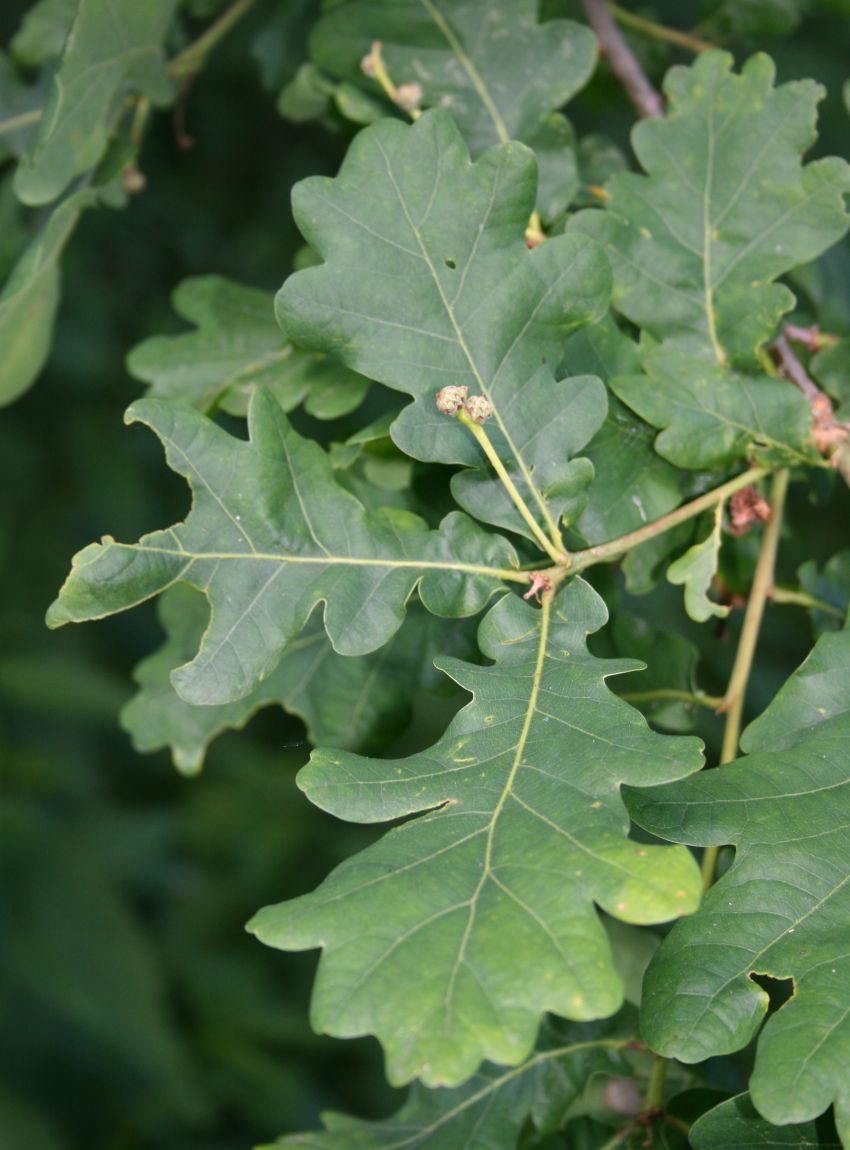
Quercus robur — mature pedunculate oak

Scope and Limitations

This site covers only native (or archaeophytic) herbaceous species documented in Polish oak woodland. It does not cover shrubs, trees, ferns, mosses, or non-native ornamental plants, nor does it cover woodland management in the sense of forestry operations. It does not provide advice on woodland creation or tree planting.

Content is presented as a general reference. Conditions vary between individual woodland sites, and species behaviour is influenced by microsite factors — soil moisture, local light regime, litter depth, deer pressure — that cannot be fully accounted for in a general reference. Verification against site-specific conditions is advisable before undertaking any planting work.

Sources and Reliability

All species data is referenced to published sources. Primary references include:

  • Mirek, Z. et al. (2002). Flowering Plants and Pteridophytes of Poland. A Checklist. W. Szafer Institute of Botany, PAN, Kraków.
  • Matuszkiewicz, J.M. (2001). Zespoły leśne Polski. Wydawnictwo Naukowe PWN, Warsaw.
  • Ellenberg, H. (1988). Vegetation Ecology of Central Europe. Cambridge University Press.

This site does not generate or publish original research. Where exact figures are unavailable in the literature, neutral descriptive language is used rather than invented statistics.

External Links

External links are provided only to organisations whose information is directly relevant to the content of this site:

Last Updated

Content was last reviewed and updated in May 2026.

Contact

For questions or corrections regarding content on this site, use the form below. All fields marked as required must be completed.