Recent Articles
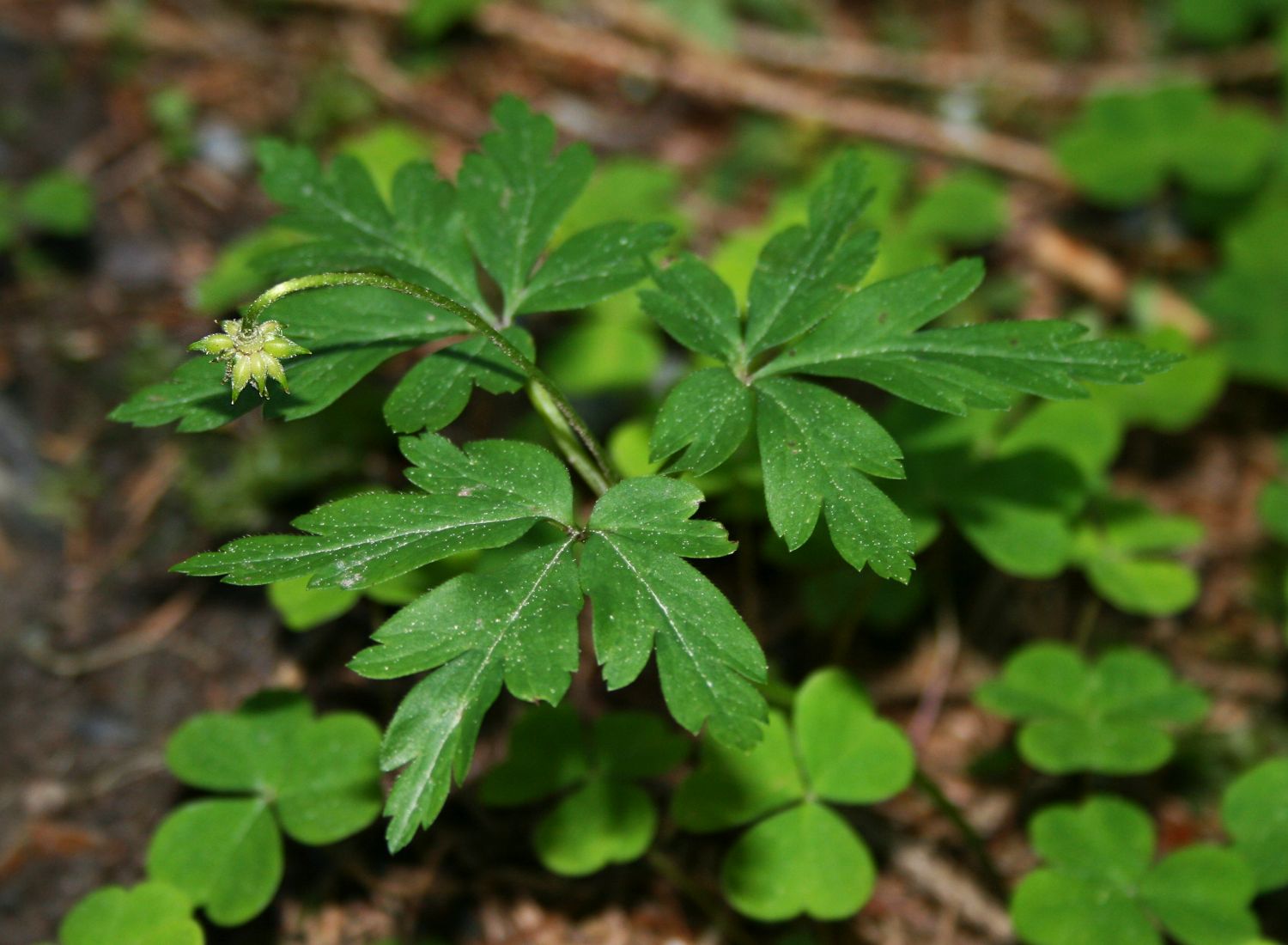
Ground Cover
Which native herbaceous species establish reliably under dense oak canopy, and what conditions determine their success in Polish woodland settings.
Updated May 2026

Planting Guidance
Density recommendations for native ground cover species, with consideration for root competition, light availability, and long-term canopy dynamics.
Updated May 2026

Species Guide
Detailed profiles of herbaceous species native to Polish oak forests, covering ecological requirements, ground cover potential, and establishment notes.
Updated May 2026
About This Resource
Polish oak woodland — dominated by Quercus robur and, in drier sites, Quercus petraea — supports a distinct layer of shade-adapted herbaceous plants. Once the canopy closes, light reaching the forest floor drops sharply, limiting which species can establish and persist as ground cover.
This reference covers the practical side of working with that constraint: which species tolerate deep shade and root competition, at what densities they can be established, and how they behave over time in a Polish lowland or upland oak setting.
All species covered are native or long-naturalised in Poland and listed in the Polish flora reference literature. Planting recommendations are based on published ecological data, not commercial growing guides.